 Skip to content
- Home
- »
- Inlay and Onlay
Inlay and Onlay
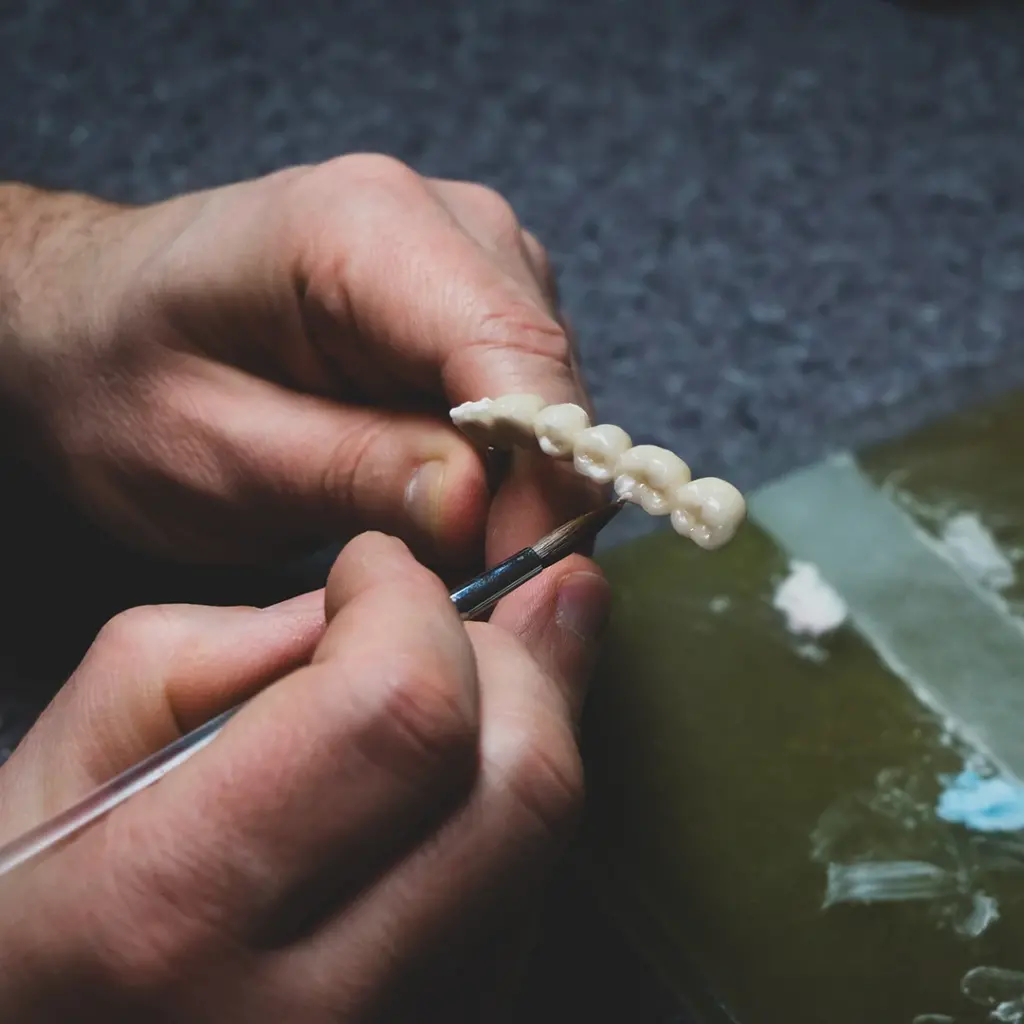
Some developments in dentistry have made it possible to use even a tooth that has lost almost all of its structure both functionally and aesthetically. In particular, inlay and onlay fillings are types of fillings that offer significant advantages in this regard. In fact, inlays and onlays are comprehensive treatment methods that can even be considered as tooth coverings depending on the situation. Thanks to inlay and onlay fillings, tooth loss can be prevented in many cases, and the tooth can continue to be used functionally.
types performed by specialist inlay and onlay dentists, i.e., dentists who have gained enough experience to perform the best filling applications. To gain comprehensive information about inlay and onlay fillings, which offer comprehensive solutions for cavity treatment, it is necessary to delve into topics such as the factors affecting inlay and onlay filling prices or how to choose from among the aesthetic inlay filling Istanbul clinic options.
When Are Inlays and Onlays Preferred?
There are multiple situations where inlay and onlay fillings may be preferred. Depending on the difference between inlays and onlays, these two types of fillings can be preferred in different situations, but due to their structures, they generally cannot be used at the same time. The situations in which specialist inlay dentists resort to inlay and onlay fillings can be explained under several headings.
- Occurrence of Very Large Cavities
Although teeth are quite sturdy structures, they can begin to decay due to factors such as impact and neglect of dental health. Tooth decay is considered one of the main causes of tooth loss in many cases because, in advanced tooth decay, not only the tooth surface (enamel) but also the internal structures of the tooth can be damaged. For this reason, inlay and onlay fillings can be used as part of cavity treatment. Many people think that filling types such as composite fillings are sufficient for all types of cavity treatment, but this is not actually the case.
In cases of very large cavities, the use of traditional fillings may not be sufficient treatment, or even if it provides an immediate solution, the effects of this solution are not long-lasting. For example, applying a composite filling after cleaning a very large cavity can cause the composite filling to fall out during functions such as chewing, despite its chemical bonding effect to the tooth. However, inlay and onlay dental filling procedures performed by specialist inlay and onlay dentists at healthcare institutions that meet the appropriate conditions, such as Dentaliva, which is among the aesthetic inlay filling options in Istanbul, can offer comprehensive solutions even for large cavities.
- When Traditional Filling Treatments Fail to Provide a Solution or Sensitivity is an Issue
Some individuals cannot find a solution with classic filling treatments or may experience sensitivity problems as a result of these treatments. The main reason for this situation is that in classic filling treatments, the filling material is applied to the cavity in the tooth and loses its functionality to a certain extent due to factors such as wear or shrinkage after drying.
This loss of functionality can lead to many sensitive situations, from food accumulation and bacterial growth to gum disease. However, this is not really the case for inlays and onlays, which are among the types of dental fillings. Inlays and onlays are fillings produced in a specialized laboratory environment and fitted to the tooth like its original part, so they do not cause unsolvable problems or sensitive situations. Many people find it much more reasonable to pay for inlay and onlay filling prices once and get long-term solutions than to pay repeatedly for classic filling applications. One of the main reasons why specialist inlay and onlay dentists strongly recommend these procedures when deemed necessary is the advantages offered by long-term solutions.
Differences Between Inlay and Onlay Fillings and Traditional Fillings
The difference between inlay and onlay and traditional procedures can be considered in many ways. In traditional filling procedures, materials such as composite filling material are applied to the cavity in the tooth after procedures such as decay removal. Applying the filling material to the cavity in the tooth and allowing it to dry and harden may, in some cases, provide an insufficient or short-term solution. In inlay and onlay fillings, unlike traditional fillings, the filling material is prepared in a laboratory environment to suit the individual and the tooth. Although inlay and onlay porcelain fillings may seem like an expensive option, they offer much more effective results than traditional fillings.
Who Can Benefit from Inlay and Onlay Fillings?
Inlay and onlay fillings in Istanbul can be applied to many different patient profiles in many different regions. Who can benefit from inlay and onlay fillings can be discussed under several headings.
Individuals with Extensive Decay or Damaged Teeth
The most common patient profile for inlay and onlay fillings are individuals with extensive decay or damaged teeth. In cases of decay or damage where a large portion of the tooth is lost or about to be lost, traditional fillings cannot provide a solution, but inlay and onlay fillings can offer comprehensive solutions.
Patients Requiring Aesthetics and Durability
Another patient profile most commonly treated with
inlay and onlay fillings is patients requiring aesthetics and durability. Inlay and onlay fillings professionally performed by specialist inlay and onlay dentists can provide much more aesthetic and durable results than traditional fillings. Although porcelain inlay and onlay fillings may seem like a disadvantageous and expensive option compared to other fillings, they are actually methods that appeal to patients who need aesthetics and durability.
How Are Inlay and Onlay Fillings Applied?
Aesthetic inlay fillings in Istanbul are applied in several steps at professional healthcare institutions such as Dentaliva, which is among the clinics offering this service. The steps involved in applying aesthetic inlay fillings in Istanbul, as well as in any other region, can be explained under several headings.
Initial Examination and Tooth Preparation Stages
Aesthetic inlay fillings in Istanbul, as well as in any other region, begin with a comprehensive examination as the first step. During this examination, a consultation takes place between the patient and the dentist, and the patient is informed about the total inlay onlay treatment cost and factors such as the choice of materials that determine the inlay onlay treatment cost. Based on the patient’s choices to make the inlay onlay treatment cost suitable for them and their stated medical needs, the tooth preparation stages are initiated. During the tooth preparation stages, procedures such as cleaning the tooth of decay may be performed to treat tooth decay, depending on the situation.
Preparation and Placement in the Laboratory Environment
When preparing inlay and onlay fillings in the laboratory environment, the procedure is performed in line with the patient’s choice of material, taking into account factors such as the cost of porcelain fillings or the cost of inlay and onlay treatment with composite fillings. The placement stage is then carried out with the procedures performed and the carefully prepared inlay and onlay fillings. Functional and aesthetic inlay fillings in Istanbul are carefully placed into the tooth cavity at professional healthcare institutions such as Dentaliva, and this also applies to onlay fillings.
Types of Inlays and Onlays
Types of external fillings can be classified into categories, and inlay and onlay fillings can also be divided into types. It makes perfect sense to classify inlay and onlay fillings according to their materials, as the materials used affect many different factors, from inlay and onlay filling prices to the lifespan of the filling. Inlay and onlay types can be discussed under several headings.
Porcelain Inlay and Onlay
Porcelain inlay and onlay fillings are the most preferred types of fillings. Specialist inlay and onlay dentists recommend that individuals with high aesthetic expectations choose porcelain inlay and onlay fillings. Porcelain inlay and onlay fillings are also good options in terms of durability. For this reason, many people opt for porcelain inlay and onlay fillings in order to combine durability with aesthetic appearance.
Composite and Gold Inlay-Onlay
Other types of inlay onlay fillings are composite and gold inlay onlay fillings. If inlay and onlay filling applications are requested at a low inlay onlay filling price, a cost-effective material such as composite is selected. Gold inlay onlay fillings are, of course, very expensive. However, the fact that gold fillings last a lifetime and offer a very different and appealing appearance to some patients sometimes leads to their being preferred.
Advantages of Inlay and Onlay Fillings
Inlay and onlay fillings offer many advantages, especially at professional clinics such as Dentaliva, one of the first places that comes to mind when looking for a clinic recommendation for fillings in Istanbul. The advantages of inlay and onlay fillings can be explained under several headings.
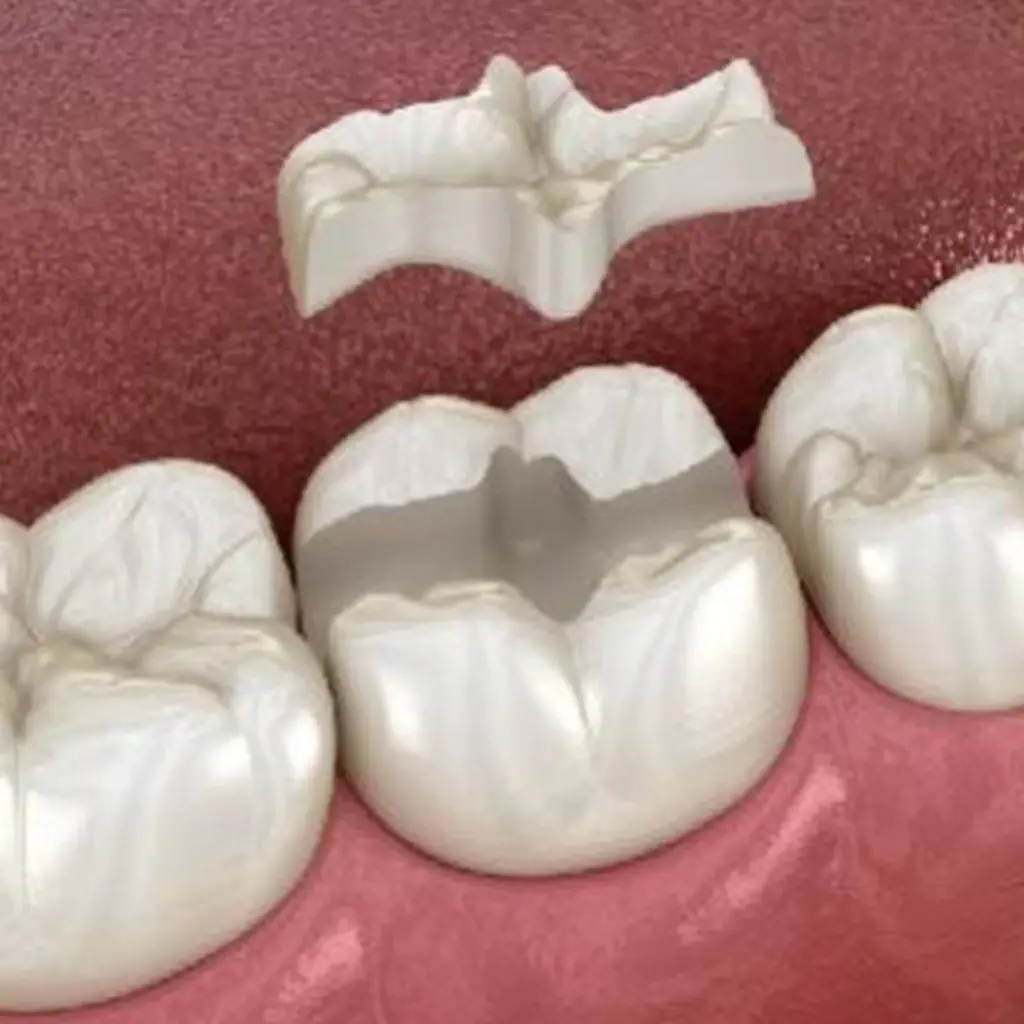
Natural Appearance and Aesthetic Harmony
Inlays and onlays offer a very natural appearance and can harmonize with the tooth aesthetically. Although the cost of porcelain fillings increases the total price of inlay and onlay fillings, the perfectly harmonious appearance offered by porcelain inlays and onlays provides a significant aesthetic advantage. In addition, composite inlays and onlays, which are more affordable, are also compatible with the tooth in terms of appearance and can provide advantages with both a natural and aesthetic appearance.
Durability and Long-Term Use
Inlays and onlays also offer advantages in terms of durability and long-term use. The main reason for this is that, unlike other types of fillings, inlays and onlays are prepared in a laboratory environment and bonded in place. With durable inlays and onlays, you can continue to use your filling functionally and aesthetically for many years without needing an extra filling.
Things to Consider After Inlays and Onlays
There are many things to consider after inlays and onlays. You need to be careful about certain issues both during the early healing period after inlay and onlay fillings and in the long term. Things to consider after inlay and onlay fillings can be explained in detail under several headings.
Daily Oral Hygiene and Dental Care
Maintaining daily oral hygiene and dental care is fundamental to the things to consider after inlay and onlay procedures. Maintaining daily oral hygiene means cleaning your teeth with quality products such as a toothbrush, toothpaste, and dental floss. In addition, it is recommended that you use mouthwash to maintain your overall oral hygiene.
The Importance of Regular Checkups
After inlay and onlay fillings, you should be careful about regular checkups to maintain your overall oral health and extend the life of the filling. If you are examined regularly by specialist inlay and onlay dentists, you will gain many advantages and can take precautions against possible negative situations.
Frequently Asked Questions
How long do inlay and onlay fillings last?
Inlay and onlay fillings can vary in lifespan depending on multiple factors. The main factor determining the lifespan of inlay and onlay fillings is the conditions under which they are placed. Under the right conditions and in professional laboratory environments, if inlay and onlay fillings are placed on the tooth by specialist inlay and onlay dentists, this will extend the life of the filling. In addition, not using the tooth with the filling to chew hard foods and paying attention to general oral hygiene can also extend the life of the filling. The lifespan of classic inlays and onlays is around 10-15 years.
How much do inlay and onlay fillings cost?
Inlay and onlay filling prices are determined based on multiple factors. Therefore, it would not be accurate to specify a fixed price for inlay and onlay fillings. The difference between inlays and onlays means that these two types of fillings can be priced differently based on factors such as their size. In addition, factors such as the materials chosen for the filling, the capabilities of the healthcare facility, and the dentist’s experience can also affect the price of inlay and onlay fillings.
Is the inlay and onlay filling procedure very painful?
Inlay and onlay fillings are not as painful as commonly believed. Especially in cases where the tooth is not severely damaged, any filling procedure, including inlay and onlay fillings, does not cause extreme pain or discomfort. However, procedures such as cavity removal and tooth shaping, which are part of the cavity treatment prior to inlay and onlay fillings, may cause minimal discomfort. This pain can be controlled with local anesthesia during the procedure and painkillers afterwards.
Will I lose my tooth after inlay and onlay fillings?
The belief that teeth will be lost after inlay and onlay fillings is quite widespread but also quite wrong. The actual purpose of inlay and onlay fillings is to save a tooth that is decayed or broken to the point of potential loss. Inlay and onlay fillings restore the integrity of the tooth and protect its internal structure, which does not cause tooth loss; on the contrary, it can prevent tooth loss. For all these reasons, inlay and onlay fillings should not be viewed as harmful and dangerous procedures that cause tooth loss, but rather as beneficial procedures that prevent tooth loss, restore the tooth’s function, and improve its appearance.
